Common food and beverage terms at risk span from asiago to zinfandel. Europe’s aggressive campaign poses a grave threat to farmers, food producers and the consumers worldwide who will no longer have access to the dozens of cheeses, meats and wines they know and love – such as the gorgonzola on their salad, the bologna in their sandwich or the chateau labeling on their favorite bottle of wine.
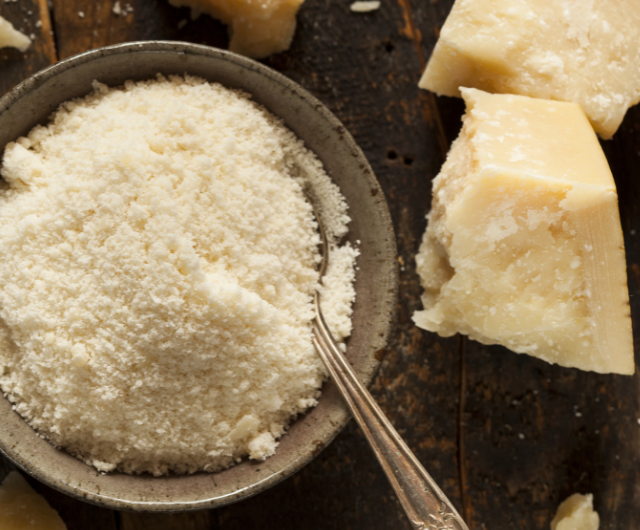
Problems with Parmesan
The “Parmigiano Reggiano” name was coined in 1934 by an Italian inter-provincial consortium and was granted protected status in 1954. For more than half a century after that time, Italian producers were free to market their cheese under this unique and recognizable appellation. For the rest of the world, the term “parmesan” came to be used as a generic identifier to differentiate other dry grated cheese of a comparable style.
In 2008, after 54 years of clear differentiation between “parmesan” and “Parmigiano Reggiano” – and despite global production of parmesan outside of Italy dwarfing that made within the country – the European Court of Justice ruled that the registration of the geographical indication (GI) “Parmigiano Reggiano” made it illegal in the European Union (EU) to use the name “parmesan” for any cheese produced outside the Parma, Italy, region.
This controversial decision was made despite long-running and widespread production of parmesan in regions outside of Parma, including within other areas of the EU.
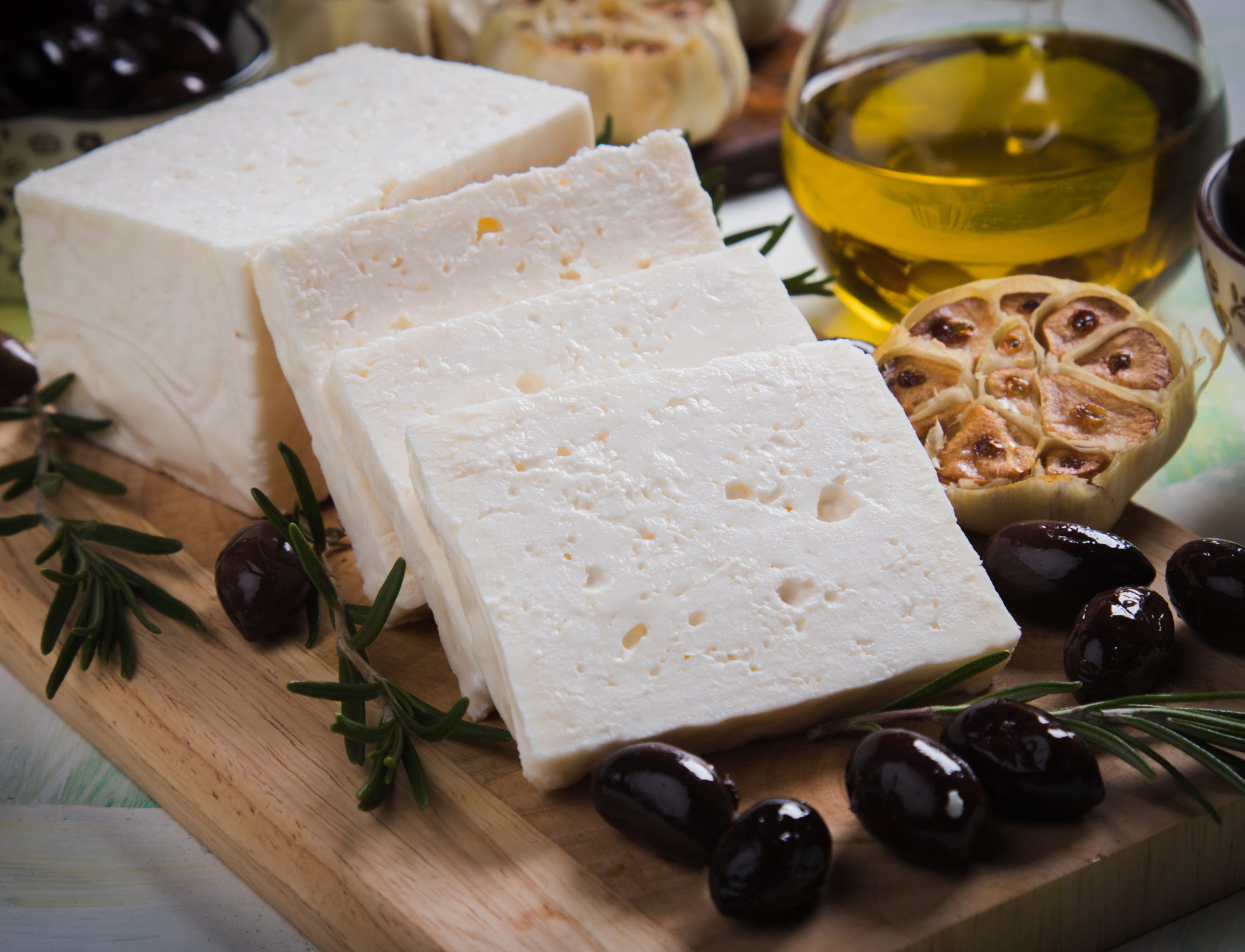
Fetters on Feta
While geographical indications are typically expected to have a specific geographical component that has a unique connection to the product, the word “feta” is in fact neither a place in Greece nor even the name of the cheese alone – it is simply the Greek word for “slice”. It has long been associated with white, brined, crumbly cheeses in general.
In October 2002, the European Union (EU) approved “feta” as a geographical indication for use throughout all of Greece, insisting that Greek foliage and livestock were responsible for the unique qualities of the cheese, despite the terroir characteristics (the environmental elements impacting the final product) differing dramatically throughout that country. Moreover, at the time of approval, roughly 75% of the world’s feta was produced outside of Greece.
Historically made throughout the entire Balkan region, feta was being made in Denmark, the Netherlands, Germany, France, Turkey, the United States and Oceania, among others, at the time of the ruling.
As the Danes so aptly put it shortly after this misguided ruling, “The door is now open for other cheeses such as cheddar or camembert to apply for PDO status…And why should it stop there? Could we see Britain registering the name bacon, or Italy registering pizza?” – Hans Bender, Danish Dairy Board, Just-Food, 2005